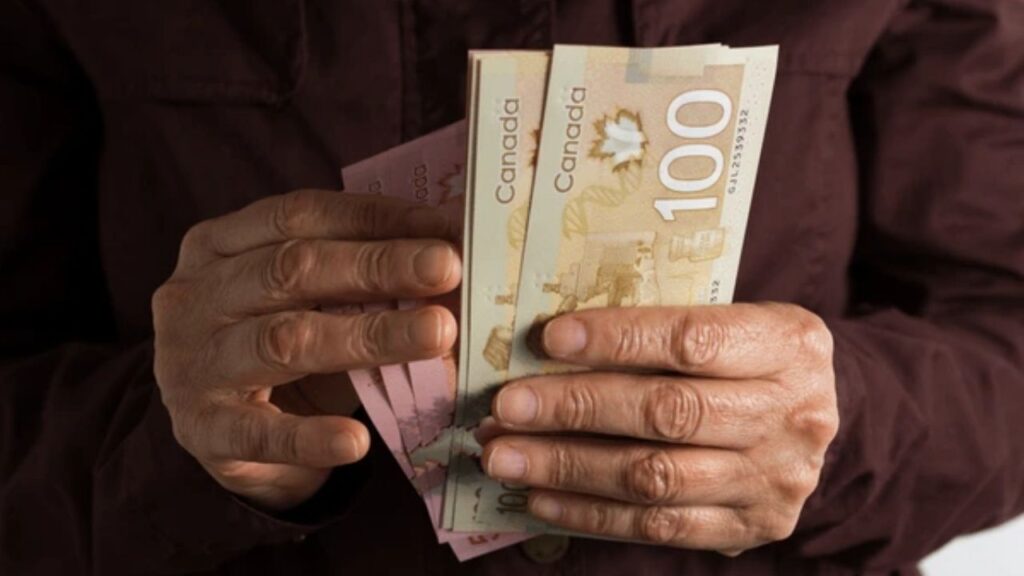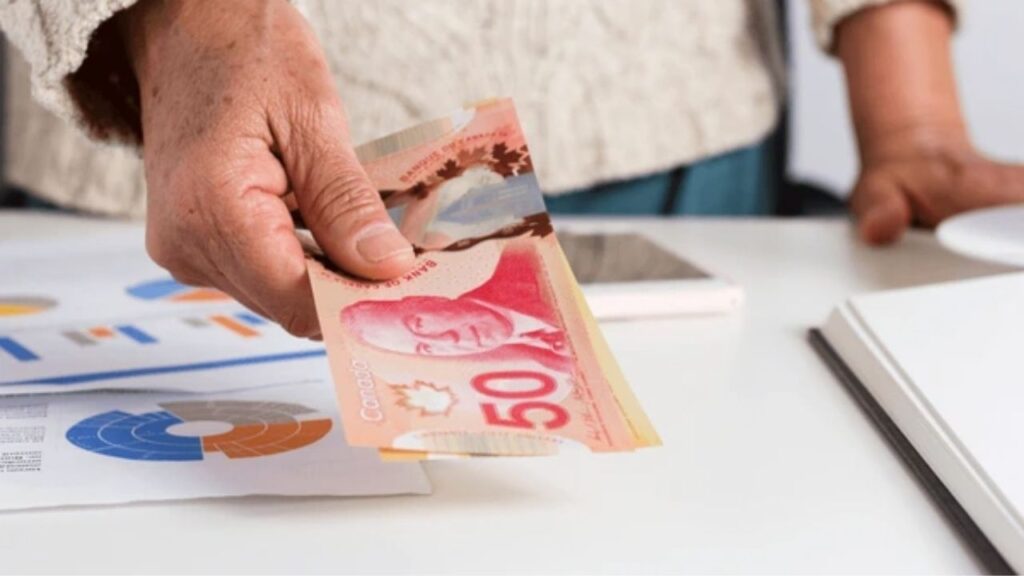
Canada’s federal support programs are still very important for helping older people deal with rising living costs. In March 2026, many seniors in Canada are waiting for a reported $300 federal support payment that is linked to programs run by the Canada Revenue Agency (CRA). Around March 23, 2026, this payment should reach eligible people through direct deposit system. This will give them more money help them out in the spring. The payment is meant to help seniors with their daily living costs and give them a break from their federal retirement benefits for a short time. Not every senior will be able to get it.
Overview of the Reported $300 Federal Support Payment

The planned $300 payment is meant for older Canadians who already get federal benefits like Old Age Security or other income-based programs run by the CRA. Age, residency status, and income level reported on recent tax returns are some of the things that usually determine eligibility. If you are 65 or older and meet the requirements for a federal program, you may automatically get this payment without having to fill out a new application. The help is meant to help people who are having trouble with their daily living costs, especially during the winter to spring transition period. Age eligibility rules, income threshold limits, federal residency status, and automatic payment processing are some of the most important factors that help decide if a senior gets the extra benefit.
Expected Payment Date and CRA Deposit Timeline
Reports about the March 2026 payment cycle say that the $300 support amount could be sent out through the CRA benefit system that sends out other CRA-administered benefits. Most people who have their banking information on file with the CRA may get the money directly deposited into their accounts on March 23 2026. People who still get paper checks delivery may have to wait a little longer for them to arrive, depending on the mailing schedule. The payment process usually follows the rules set by the federal government rules and the tax records. Seniors should keep their account information updated so that there are no delays. Timing of direct deposit, bank account updates, the CRA payment system, and benefit processing cycle are all important things to think about when making a deposit.
Latest Stories
 CRA $670 Federal Credit Coming in March 2026: Eligibility, Deposit Date, and How Families Can Receive the Credit
Why Federal Support Programs Matter for Seniors
Why the CRA $300 Payment is Important for Seniors in Canada
Even a small payment can make a big difference for many retirees who live on a fixed retirement income and have to pay for everyday household expenses. Household budgets are under more stress because grocery prices going up, heating bills are going up, and healthcare costs rising. This kind of federal help is meant to be temporary until larger financial programs can continue. Seniors often use these payments to pay for everyday living costs or surprise bills. The amount may change based on who is eligible, but it shows that the government is still focused on older people. The payment’s effect is often related to living cost pressure, retirement income support, monthly budget relief, and senior household expenses.
How the CRA Determines Eligibility for Senior Payments
The reported $300 payment has gotten a lot of attention, but seniors should keep in mind that official eligibility rules and payment schedule timing depend on CRA program guidelines and their own tax records. People who already get federal retirement benefits are most likely to get extra payments automatically. You can find out if the payment is coming by checking your CRA accounts online or looking at recent benefit notices. It’s also important to keep your tax filings updated because a lot of federal benefits depend on your yearly income. When checking to see if they are eligible for payment, seniors should pay attention to official benefit notices, CRA account access, updated tax filing, and federal support programs.
Latest Stories
 Goodbye to Retirement at 65: Canada’s 2026 Pension Reform Debate Could Redefine the Future of Retirement
Understanding Canada’s Senior Benefit System
Canada’s retirement support system includes several programs designed to provide financial stability for older adults. These programs help seniors maintain a basic standard of living after they leave the workforce.
Two of the most important federal programs are Old Age Security and the Canada Pension Plan. Together, these benefits form the foundation of retirement income for many Canadians.
While these programs provide monthly payments, additional federal support payments are sometimes introduced to help seniors manage temporary economic pressures.
Latest Stories
 CRA Confirms $750 One-Time Payment for March 2026: Eligibility, Deposit Date and How Canadians Can Receive It
The reported $300 payment in March 2026 appears to follow this pattern by providing short-term financial support.
Old Age Security and Its Role in Retirement Income
Old Age Security, often called OAS, is one of the primary retirement benefits available to Canadians.
This program provides monthly payments to individuals aged 65 and older who meet residency requirements.
Latest Stories
 Canada Minimum Wage Increase 2026: Which Provinces Are Raising Pay and How Much Workers Will Earn
Unlike CPP, which is based on work contributions, OAS is funded through government tax revenue.
Because it is tied to government finances, the program must balance the needs of retirees with broader economic conditions.
Additional payments like the reported $300 support benefit may be introduced during periods when seniors face higher living costs.
Latest Stories
 $456 Canada Carbon Rebate Coming in March 2026: CRA Payment Date, Eligibility Rules and Amount Explained
Canada Pension Plan and Retirement Income Stability
The Canada Pension Plan is another major component of retirement income in Canada.
Workers contribute to CPP during their working years, and these contributions determine the amount they receive during retirement.
CPP benefits are flexible, allowing individuals to begin receiving payments between ages 60 and 70.
Latest Stories
 Canada Petrol Prices Set to Jump by $0.25/L on March 9, 2026: What Drivers, Businesses and Families Should Expect
Those who start receiving CPP earlier receive smaller monthly payments, while those who delay retirement can receive higher payments.
Programs like the reported $300 payment operate separately from CPP and do not affect CPP benefits.
The Growing Financial Challenges for Seniors
Many Canadian seniors are facing increased financial pressure due to rising living costs.
Latest Stories
 $800 CRA Direct Deposit March 2026: Income Rules, Payment Schedule and How Canadian Families Can Receive It
Expenses such as housing, groceries, transportation, and healthcare have increased in recent years.
While government retirement programs provide steady income, those payments may not always keep pace with inflation.
For seniors living on fixed incomes, even modest increases in expenses can strain household budgets.
Latest Stories
 Canada Ends Automatic Driver’s Licence Renewals in 2026: Mandatory Medical Tests for Seniors and High-Risk Drivers
Additional payments like the reported $300 support benefit are designed to help address these challenges.
Why Small Payments Can Make a Big Difference
For some households, a payment of $300 may seem small. However, for retirees managing tight budgets, even modest financial assistance can be helpful.
These payments may be used to cover:
Latest Stories
 Major Canada Driving Law Changes in 2026: What New Drivers Must Know About $1,000 Fines and License Suspensions
Utility bills
Groceries
Prescription medications
Transportation costs
Unexpected expenses
Because the payment is delivered as a lump sum, recipients have flexibility in how they use the funds.
This flexibility allows seniors to prioritize the expenses that matter most to them.
Direct Deposit and the CRA Payment System
The CRA relies heavily on direct deposit to deliver benefits quickly and securely.
Direct deposit allows payments to be transferred directly into recipients’ bank accounts without the need for paper checks.
This system reduces delays and improves payment reliability.
Most seniors already receiving federal benefits through direct deposit will likely receive the $300 payment using the same method.
Mailed Cheques and Delivery Times
Although direct deposit is the preferred payment method, some recipients still receive government benefits through paper cheques.
These cheques are mailed to the address registered with the CRA.
Delivery times can vary depending on postal services and location.
Seniors who want to avoid delays may wish to update their banking information and switch to direct deposit.
Keeping CRA Account Information Updated
Accurate personal information is essential for receiving government benefits.
Seniors should ensure that their CRA records include the correct:
Bank account information
Mailing address
Marital status
Tax filing history
Keeping this information updated helps ensure that payments are processed without delays.
Using CRA My Account to Track Payments
The CRA provides an online portal called CRA My Account where Canadians can review tax and benefit information.
Through this portal, seniors can check whether they qualify for upcoming payments.
They can also see payment amounts, deposit dates, and other benefit details.
Monitoring this account regularly can help recipients stay informed about their benefits.
Why Filing Taxes Is Important for Seniors
Even retirees who no longer earn employment income should continue filing annual tax returns.
Many federal benefits are based on information reported in tax returns.
If seniors do not file their taxes, the CRA may not be able to determine eligibility for certain programs.
Keeping tax records up to date ensures that retirees continue receiving the benefits they qualify for.
Government Efforts to Support Older Canadians
Canada’s federal government continues to develop programs aimed at protecting seniors from financial hardship.
These programs reflect the country’s commitment to supporting older adults who contributed to the economy during their working years.
While large programs like OAS and CPP provide the foundation of retirement income, smaller payments and targeted benefits also play an important role.
These additional supports can help address temporary financial challenges.
Looking Ahead to Future Senior Support Programs
As Canada’s population continues to age, the importance of senior support programs will likely increase.
Policymakers will need to balance government spending with the need to provide financial security for retirees.
Programs like the reported $300 payment highlight how governments can respond to changing economic conditions.
For seniors, staying informed about these programs can help ensure they receive the support available to them.
FAQ
1. When is the CRA $300 payment expected to arrive?
The payment is expected to be deposited around March 23, 2026.
2. Who may qualify for the payment?
Canadian seniors aged 65 or older who receive federal benefits such as OAS or other income-based programs may qualify.
3. Do seniors need to apply for the payment?
Most eligible seniors may receive the payment automatically through the CRA benefit system.
4. How will the payment be delivered?
Payments are expected to be delivered through direct deposit or mailed cheque.
5. How can seniors check their payment status?
Seniors can check their payment details through the CRA My Account online portal.