
Canada will formally discontinue its long-standing policy of providing seniors with free driver’s license renewals on March 11, 2026, and replace it with new fees ranging from $300 to $600. Retirees and advocacy organisations nationwide have been debating the decision extensively. Older drivers were exempt from renewal fees for many years, but the system has changed due to increased administrative expenses and policy modifications. Many seniors are now attempting to comprehend how this new rule will impact their finances, eligibility, and renewal timelines as it is implemented nationwide.
End of a Longstanding Benefit for Senior Drivers
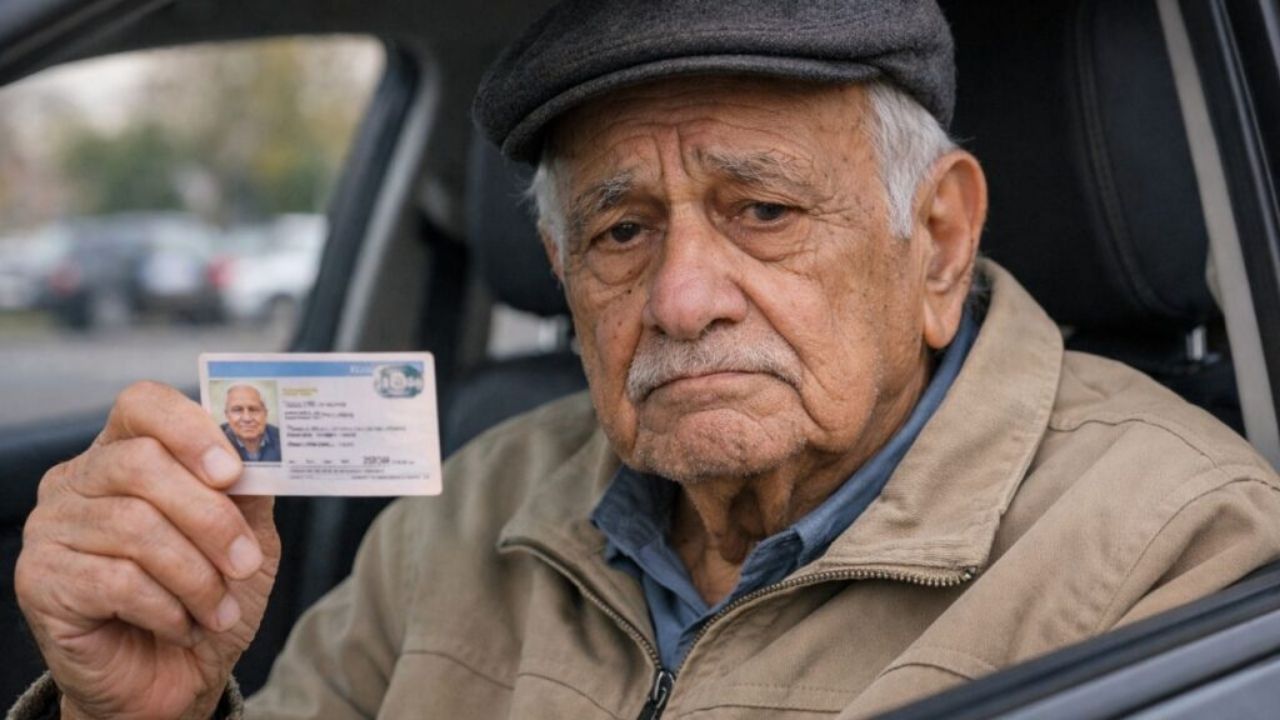
Canada Stops Seniors’ Free Licence Renewals
Canada’s driver license system has undergone a major change with the elimination of free renewals. Seniors over a specific age used to be exempt from renewal fees, which made it simpler to maintain mobility without additional financial strain. However, starting on March 11, 2026, eligible drivers will have to pay new renewal fees based on their licence class and province. The change is primarily due to administrative upgrades and growing service costs, according to government officials. The majority of seniors will need to budget for yearly compliance costs, which could be between $300 and $600, even though some provinces may offer limited relief programs. Eligible drivers will have to pay new renewal fees based on their licence class and province.
Latest Stories
 Canada Seniors $300 Support Payment Confirmed: Eligibility, CRA Deposit Date and What Retirees Should Know
Why the Policy Is Changing Now
Administrative Costs and Policy Adjustments (Driver Licence Reform)
Government officials say the new fee structure is largely the result of rising operational costs tied to licensing systems across the country. Over time, provincial driver licensing systems have required updates to technology, record management, and identity verification processes.
Digital licensing systems, enhanced security features, and improved driver verification methods have added new costs to government agencies responsible for managing licences.
Officials say that eliminating free renewals helps ensure that the system can continue operating efficiently while maintaining safety and administrative standards.
Latest Stories
 CRA $670 Federal Credit Coming in March 2026: Eligibility, Deposit Date, and How Families Can Receive the Credit
According to policymakers, the goal is not simply to introduce new fees but to support a licensing system that remains financially sustainable.
Differences in Provincial Fee Structures
How Fees May Vary Across Canada (Provincial Licensing Rules)
Although the change will apply nationally in principle, the exact cost structure may vary depending on provincial regulations.
Each province in Canada manages its own driver licensing system, which means renewal procedures and fees can differ slightly between jurisdictions.
Latest Stories
 Goodbye to Retirement at 65: Canada’s 2026 Pension Reform Debate Could Redefine the Future of Retirement
However, the overall national trend remains the same: seniors will no longer receive automatic fee exemptions for licence renewals.
Provincial governments will set the specific fees within the broader national framework.
In many regions, the fees will fall within a range of approximately $300 to $600 depending on age group and renewal cycle.
Latest Stories
 CRA Confirms $750 One-Time Payment for March 2026: Eligibility, Deposit Date and How Canadians Can Receive It
Understanding the New Senior Renewal Fee Schedule
The upcoming changes introduce a tiered fee system based on age groups and renewal frequency.
Older drivers will typically need to renew their licences more frequently as they age, which increases administrative oversight.
Age 65–69: approximately $300 renewal fee every five years
Age 70–74: approximately $400 renewal fee every three years
Age 75–79: approximately $500 renewal fee every two years
Age 80 and above: approximately $600 renewal fee every two years
Latest Stories
 Canada Minimum Wage Increase 2026: Which Provinces Are Raising Pay and How Much Workers Will Earn
The shorter renewal cycles for older drivers are intended to ensure continued driver fitness and safety assessments.
Additional Medical Requirements for Senior Drivers
Health Evaluations and Driver Safety Checks
In addition to the new fees, some provinces may require updated medical evaluations as part of the renewal process.
These evaluations are designed to confirm that drivers remain medically fit to operate a vehicle safely.
Latest Stories
 $456 Canada Carbon Rebate Coming in March 2026: CRA Payment Date, Eligibility Rules and Amount Explained
Medical checks may include vision tests, cognitive assessments, or health declarations depending on provincial rules.
For some seniors, obtaining these medical certificates may also involve additional costs.
As a result, the overall cost of licence renewal could exceed the base fee in certain cases.
Latest Stories
 Canada Petrol Prices Set to Jump by $0.25/L on March 9, 2026: What Drivers, Businesses and Families Should Expect
Concerns Raised by Senior Advocacy Groups
Financial Pressure on Retirees
Senior advocacy organizations across Canada have expressed concerns about the timing of the policy change.
Many retirees rely on fixed incomes from pension programs such as the Canada Pension Plan and Old Age Security.
With inflation affecting the cost of groceries, utilities, and housing, new licensing fees could create additional financial pressure.
Latest Stories
 $800 CRA Direct Deposit March 2026: Income Rules, Payment Schedule and How Canadian Families Can Receive It
Advocates argue that mobility is essential for seniors, particularly those living in rural areas where public transportation options are limited.
For these individuals, losing access to affordable driving privileges may affect daily independence.
The Importance of Driving for Senior Independence
Mobility and Quality of Life
Driving often represents far more than transportation for older Canadians.
Latest Stories
 Canada Ends Automatic Driver’s Licence Renewals in 2026: Mandatory Medical Tests for Seniors and High-Risk Drivers
For many seniors, maintaining a driver’s licence allows them to remain independent and active within their communities.
Access to personal transportation helps seniors attend medical appointments, visit family members, shop for groceries, and participate in social activities.
When driving becomes more expensive or difficult to maintain, some seniors may consider surrendering their licences earlier than planned.
Latest Stories
 Major Canada Driving Law Changes in 2026: What New Drivers Must Know About $1,000 Fines and License Suspensions
This could affect mobility, particularly in areas where public transit services are limited.
Financial Planning for Licence Renewal Costs
Preparing for the New Fee Structure
Financial advisors suggest that seniors begin planning for the new licensing costs well before their renewal deadlines.
Although the fees are not annual for all age groups, they may still represent a noticeable expense when renewal time arrives.
Seniors may benefit from setting aside funds gradually in order to prepare for future renewal costs.
This approach helps reduce financial strain when the payment becomes due.
Understanding renewal schedules and provincial rules can also help seniors avoid penalties or late fees.
Renewal Deadlines and Compliance Rules
Avoiding Penalties and Licence Suspensions
Keeping track of licence renewal deadlines will become more important under the new system.
Drivers who fail to renew their licences on time may face penalties or temporary suspension of driving privileges.
Provincial licensing agencies typically send renewal reminders before licences expire.
However, drivers are still responsible for ensuring that their licences remain valid.
Seniors should check renewal notices carefully and schedule appointments early if medical tests or documentation are required.
Government Perspective on the Reform
Long-Term Sustainability of Licensing Systems
Government officials argue that the policy change reflects the need to maintain sustainable public services.
Licensing systems require ongoing investment in staff, infrastructure, technology, and safety monitoring.
Officials say that charging renewal fees for all drivers, including seniors, helps ensure that the system remains financially stable.
They also emphasize that road safety remains a key priority.
Regular licence renewals allow authorities to monitor driver fitness and update records more effectively.
Road Safety and Age-Based Renewal Policies
Ensuring Safe Driving Standards
Age-based licence renewal schedules are common in many countries.
As drivers grow older, governments often require more frequent renewals and medical checks.
These policies aim to ensure that drivers remain capable of safely operating vehicles.
In Canada, the new renewal fee structure accompanies existing safety measures such as vision testing and medical evaluations.
Officials say these measures help maintain road safety for all drivers.
International Comparison of Senior Driver Policies
Canada’s policy adjustments are not unique. Many countries have introduced similar policies requiring older drivers to renew licences more frequently.
In several jurisdictions, renewal fees apply regardless of age.
Some countries also require additional testing for senior drivers, including practical driving tests or health assessments.
Canada’s new policy aligns with a broader international trend toward balancing mobility for seniors with road safety considerations.
Potential Relief Programs in Some Provinces
Although free renewals are ending, some provinces may introduce limited support programs for seniors.
These programs could include reduced fees for low-income drivers or assistance programs for older residents.
Eligibility for these programs would likely depend on income levels and residency requirements.
Seniors should check with their provincial licensing authorities to see whether such support programs are available.
Preparing for the Transition in 2026
Steps Seniors Can Take Now
Older drivers can prepare for the upcoming changes by taking several practical steps.
Review provincial licensing rules and renewal schedules.
Ensure medical documentation is updated if required.
Set aside funds for upcoming renewal costs.
Monitor government announcements for possible support programs.
Planning ahead can help seniors adapt to the policy changes more smoothly.
Long-Term Implications for Canada’s Transportation Policy
A Broader Shift in Mobility Policy
The elimination of free licence renewals reflects a broader shift in Canada’s transportation and public service policies.
Governments across the country are reassessing how public programs are funded as populations age and administrative costs increase.
Policy adjustments like these often generate debate, particularly when they affect vulnerable groups such as retirees.
However, officials argue that reforms are necessary to ensure long-term sustainability.
Looking Ahead to the Future of Senior Mobility
Canada’s population continues to age, which means the number of senior drivers will likely increase in the coming decades.
As a result, transportation policy will remain an important topic for policymakers.
Balancing independence for older drivers with road safety and administrative sustainability will require careful planning.
Open communication between governments and senior communities will be essential as these policies evolve.
FAQ
1. When will Canada end free driver’s licence renewals for seniors?
The policy change is scheduled to take effect on March 11, 2026.
2. How much will seniors have to pay for licence renewals?
Renewal fees are expected to range from approximately $300 to $600, depending on age group and province.
3. Will every province charge the same renewal fee?
No. Provincial governments manage licensing systems, so exact fees may vary slightly.
4. Will seniors need medical tests to renew their licences?
Some provinces may require medical evaluations or vision tests as part of the renewal process.
5. Are there any support programs for low-income seniors?
Some provinces may introduce relief programs, but availability will depend on local policies.