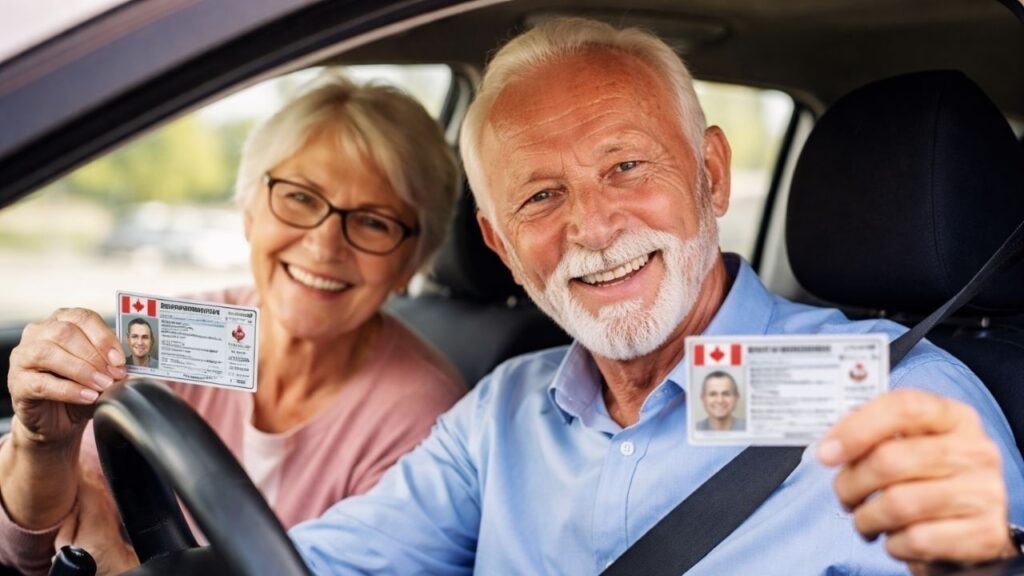
Picture yourself gliding along Canada’s expansive highways, enjoying the freedom of the open road. But come March 5, 2026, that seamless experience changes as automatic licence renewals come to an end. Drivers will now need mandatory medical checks to confirm they meet essential health standards, focusing on older individuals and those with potential risks to boost overall road safety and cut down on preventable crashes.
This policy update from government authorities isn’t designed to limit your driving privileges—it’s about protecting everyone on the roads. If you’ve relied on simple online renewals in the past, get ready for a more thorough process. Being proactive now will help you avoid delays and keep your licence current without stress.
Canada introduces a major change to driver licence renewals

Canada’s transportation system is preparing for a significant shift in 2026. Authorities across the country are moving away from the long-standing system that allowed drivers to renew their licences automatically with minimal checks.
Latest Stories
 Canada Petrol Prices Set to Jump by $0.25/L on March 9, 2026: What Drivers, Businesses and Families Should Expect
Beginning March 5, 2026, automatic licence renewal options will be phased out in many cases, particularly for drivers considered at higher risk due to age or health conditions.
Instead of renewing licences through a simple online payment or administrative confirmation, eligible drivers will now need to complete medical fitness assessments to confirm that they are safe to continue driving.
The goal is simple: improve road safety and reduce accidents caused by medical conditions that affect driving ability.
Latest Stories
 $800 CRA Direct Deposit March 2026: Income Rules, Payment Schedule and How Canadian Families Can Receive It
Why automatic licence renewals are being phased out
For many years, drivers in several provinces were able to renew their licences online or by mail with little more than a fee payment and basic identity verification.
While this system offered convenience, it also created concerns among transportation officials and safety experts.
Data collected from accident investigations shows that some collisions—especially those involving older drivers—were linked to undiagnosed health issues such as poor eyesight, slowed reaction times, or neurological conditions.
Latest Stories
 Major Canada Driving Law Changes in 2026: What New Drivers Must Know About $1,000 Fines and License Suspensions
Because automatic renewals did not always require recent medical confirmation, these conditions sometimes went unnoticed.
By introducing mandatory health checks, authorities aim to ensure that every licensed driver meets minimum medical standards before continuing to drive.
The new system focuses on prevention rather than punishment
Officials stress that the new policy is not intended to remove driving privileges unnecessarily.
Instead, the purpose of these changes is to identify potential risks early and provide solutions.
For example, some drivers may simply need updated corrective lenses or medical treatment before continuing to drive safely.
Others may be required to adjust their driving habits or undergo more frequent monitoring.
By addressing these issues proactively, the government hopes to prevent serious accidents before they occur.
Who will be most affected by the new rules
Although the reforms technically apply to all drivers, they primarily focus on older drivers and individuals with known health conditions.
Provincial transportation authorities typically introduce additional medical checks once drivers reach a certain age threshold.
In many provinces, this threshold begins around 70 or 80 years old, though exact rules may vary.
Drivers with certain medical conditions—such as diabetes, epilepsy, heart disease, or vision impairment—may also be asked to provide medical documentation.
These steps help ensure that drivers remain physically and mentally capable of handling a vehicle safely.
How drivers will be notified about the new requirements
To help drivers prepare for the new process, provincial transport departments will send official renewal notices and advisory letters.
These notifications will explain:
- Whether medical checks are required
- Which health documents must be submitted
- Deadlines for completing assessments
- Where drivers can book approved medical evaluations
Receiving these notices early allows drivers to prepare well before their licence expiration date.
Ignoring or delaying the required steps could result in licence renewal delays or temporary suspension.
Mandatory medical checks begin March 5, 2026
From March 5, 2026, drivers who fall into the designated categories must complete medical evaluations before their licence can be renewed.
These evaluations must be performed by qualified healthcare professionals, such as licensed physicians or approved medical specialists.
The results of the assessment are documented in a medical fitness report, which confirms whether the driver meets the health requirements for safe driving.
Without this report, licensing authorities may be unable to process a renewal request.
Because of expected demand, experts recommend booking medical appointments well in advance.
What the medical evaluation process includes
The new medical screening process is designed to evaluate several aspects of a driver’s health that could affect their ability to operate a vehicle safely.
The evaluation typically includes:
- Vision tests
- Cognitive assessments
- Physical mobility checks
- Review of medical history
Each component helps determine whether the driver can respond quickly and effectively in real-world traffic situations.
This comprehensive approach ensures that drivers remain capable of handling modern road conditions.
Vision testing plays a critical role
Clear eyesight is one of the most important factors in safe driving.
During the medical assessment, drivers will undergo detailed vision tests to measure both central and peripheral vision.
Peripheral vision allows drivers to detect vehicles, pedestrians, or cyclists approaching from the sides.
Drivers may also be evaluated for conditions such as glaucoma, cataracts, or macular degeneration.
If vision problems are detected, drivers may still be allowed to renew their licences with updated corrective lenses or treatment.
Cognitive tests measure mental sharpness
Driving requires constant decision-making, quick reactions, and the ability to process complex information.
For this reason, the medical evaluation also includes cognitive screening tests.
These assessments measure factors such as:
- Memory
- Concentration
- Judgment
- Reaction time
Cognitive decline can affect how quickly drivers recognize hazards or respond to sudden changes in traffic.
Testing helps ensure that drivers maintain the mental abilities necessary for safe driving.
Physical mobility and coordination checks
Physical strength and coordination are also essential for safe vehicle control.
Medical evaluations may include tests to assess:
- Balance
- Reflexes
- Hand-eye coordination
- Mobility
Drivers must be able to turn their heads to check blind spots, press pedals quickly, and maintain proper steering control.
These physical assessments help confirm that drivers can safely operate modern vehicles.
Overview of key health requirements
The following table summarizes the major medical requirements under the new system.
Category | Requirement
Starting March 5, 2026 | Regular health checks for drivers above provincial age limits
Medical Conditions | Certification from an approved physician required
Drivers with Known Illnesses | Extended review timelines may apply
All Impacted Drivers | Medical documentation required for renewal
These requirements ensure that licensing authorities can verify a driver’s fitness before approving licence renewal.
Seniors will experience the biggest changes
Drivers aged 70 and older will likely see the most significant changes under the new system.
Many provinces already require seniors to undergo periodic testing, but the 2026 reforms expand these checks and standardize procedures.
Seniors may now need to complete regular medical reviews every few years.
These evaluations help monitor health changes that could affect driving ability.
The intention is not to remove independence but to ensure that seniors can continue driving safely for as long as possible.
Drivers with medical conditions must provide certification
Individuals living with chronic health conditions will also be affected by the new rules.
Conditions such as:
- Heart disease
- Seizure disorders
- Diabetes
- Vision impairments
may require periodic medical certification.
Drivers will need to submit documentation from their doctor confirming that their condition is well managed and does not impair their ability to drive safely.
Drivers with risky driving histories face stricter reviews
Drivers who have previously been involved in serious traffic violations or accidents may also undergo additional evaluation.
For example, drivers with records of impaired driving, repeated speeding violations, or collision history may receive enhanced monitoring requirements.
These reviews allow authorities to determine whether additional training or medical checks are necessary.
The objective is to prevent repeat incidents and improve road safety overall.
Provincial differences remain but national direction is clear
Canada’s licensing system is managed at the provincial level, meaning each province sets its own detailed rules.
However, the 2026 reforms aim to establish greater consistency across the country.
For example:
- Ontario may introduce stricter medical screening for seniors
- Alberta may adopt slightly different testing schedules
- British Columbia may emphasize digital document submission
Despite these variations, the overall direction remains the same: stronger health verification for drivers.
Preparing early helps avoid licence renewal delays
Drivers approaching renewal should begin preparing as early as possible.
One of the most important steps is scheduling medical appointments early, especially in areas where healthcare providers may have limited availability.
Drivers should also gather documents related to their health history, including:
- Medication lists
- Previous medical reports
- Eye test results
Having these documents ready can significantly speed up the renewal process.
Digital systems will support document submission
Although the renewal process now requires additional verification, many provinces will continue to use digital platforms to manage applications.
Drivers may be able to upload medical documents directly through provincial licensing portals.
Online tracking systems may also allow drivers to monitor the status of their renewal applications.
These digital tools help streamline the process while maintaining the new safety standards.
Community programs may assist drivers with the transition
Local organizations, driving schools, and senior community centers are expected to offer information sessions about the new rules.
These programs help drivers understand:
- Medical requirements
- Licence renewal timelines
- Available support services
Attending these sessions can make the transition smoother and reduce confusion.
Long-term benefits for road safety
The introduction of mandatory medical checks is expected to produce significant safety improvements.
Research indicates that many collisions involving older drivers are linked to undiagnosed medical conditions.
By identifying these issues early, authorities can prevent accidents and protect both drivers and other road users.
Safer roads may also lead to lower insurance costs and reduced healthcare expenses related to crash injuries.
Canada moves toward a safer driving future
The 2026 reforms represent a major step toward improving road safety across the country.
Although the changes require additional preparation from drivers, they also help ensure that everyone sharing the road meets essential safety standards.
For drivers who prepare early and stay informed, the new system should be manageable and beneficial.
Canada’s transportation system continues to evolve, and these reforms reflect a commitment to safer highways for future generations.
Frequently Asked Questions (FAQs)
1. When do the new licence renewal rules begin in Canada?
The new system requiring medical checks for certain drivers begins March 5, 2026.
2. Who will need to complete medical checks?
Drivers above certain provincial age limits and those with specific medical conditions may need medical assessments.
3. What does the medical examination include?
The assessment typically includes vision tests, cognitive evaluations, and physical mobility checks.
4. Will all drivers need medical tests?
Not all drivers will require testing. The requirement mainly applies to seniors and drivers with health risks.
5. How can drivers prepare for the new renewal process?
Drivers should book medical appointments early, gather health documents, and follow instructions from their provincial transport authority.