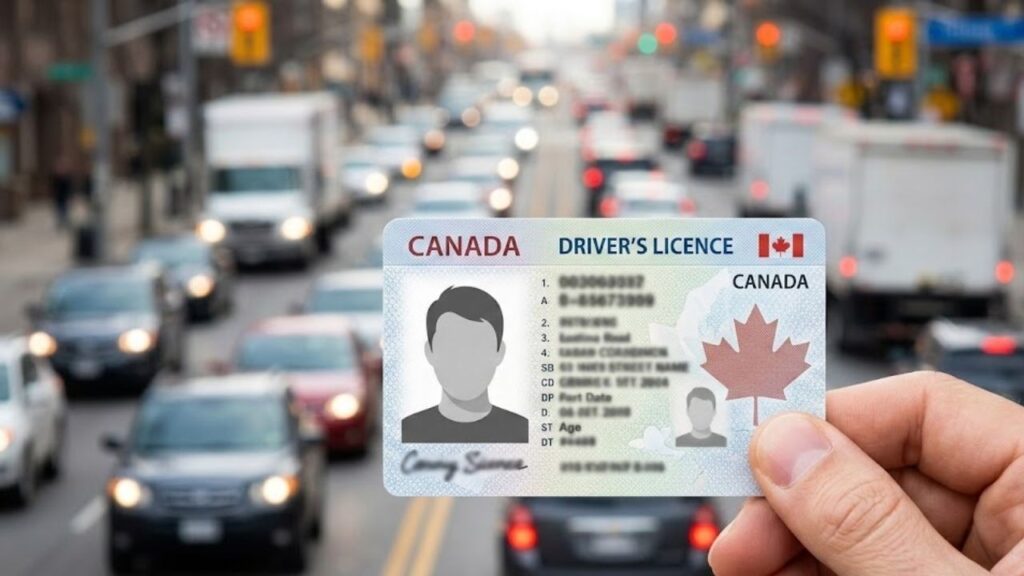
Canada’s roads are set for a transformative upgrade in 2026 with sweeping changes to the Graduated Licensing Program. Gone are the days of lenient probationary phases; instead, expect rigorous oversight, hefty $1,000 fines, and swift license suspensions for violations. These reforms target novice drivers, aiming to slash accident rates and instill lifelong safe driving habits across the nation.
The shift underscores a national commitment to road safety, particularly for young and inexperienced motorists. Families and new drivers must adapt to extended supervision, zero-tolerance policies, and tech-driven enforcement. As provinces align under this unified framework, understanding these updates is crucial for anyone navigating Canada’s licensing landscape.
Canada’s driving laws are entering a new era
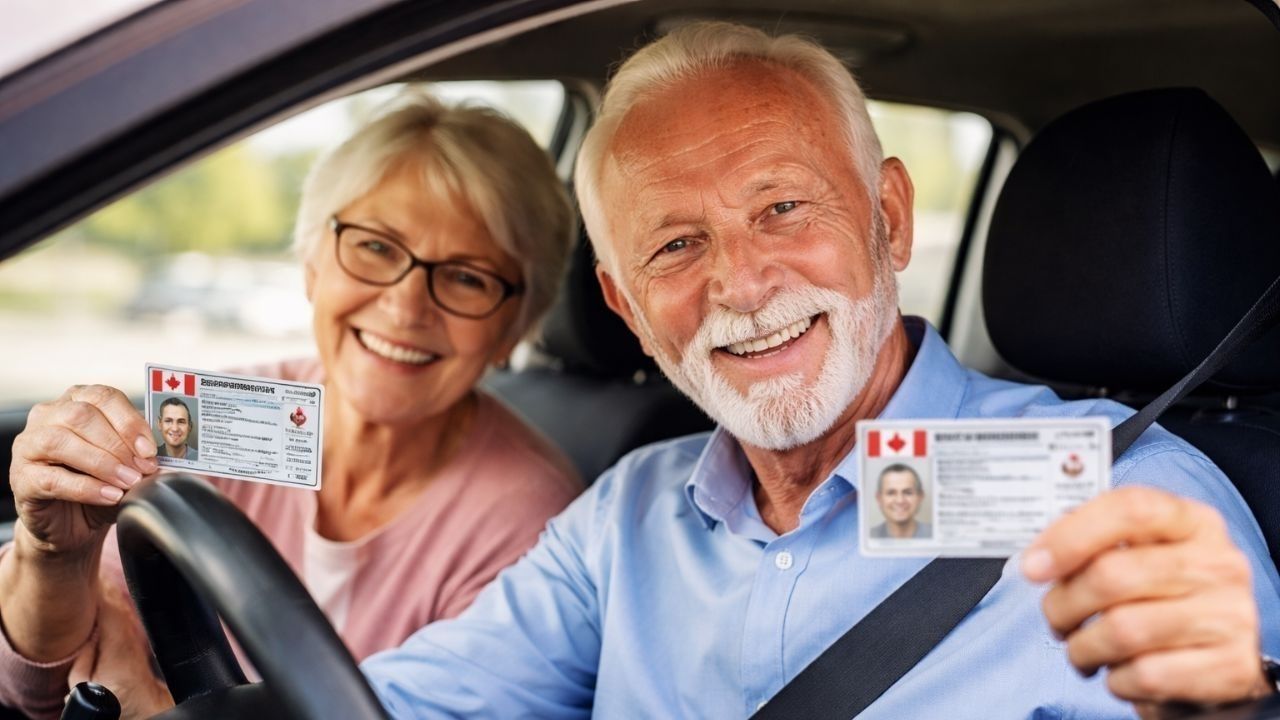
Driving laws in Canada are evolving to reflect the changing realities of modern transportation. With growing traffic volumes, increasing distractions from technology, and rising accident rates among inexperienced drivers, governments across the country have recognized the need for stronger safety measures.
Latest Stories
 Canada Petrol Prices Set to Jump by $0.25/L on March 9, 2026: What Drivers, Businesses and Families Should Expect
Beginning in 2026, Canada will introduce significant reforms to its Graduated Licensing Program (GLP). These reforms are designed to create a stricter and more structured pathway from learner driver to full licence holder.
The updated system will introduce stronger monitoring, tougher penalties for violations, and extended learning phases. Authorities believe these changes will help new drivers develop better habits and reduce the risk of collisions.
For families with teenagers preparing to drive, the 2026 changes represent an important shift that will require careful preparation and understanding.
Latest Stories
 $800 CRA Direct Deposit March 2026: Income Rules, Payment Schedule and How Canadian Families Can Receive It
Understanding Canada’s Graduated Licensing Program
Canada has used the Graduated Licensing Program for many years as a way to help new drivers gain experience gradually.
Under the traditional system, drivers typically move through three stages:
- Learner stage
- Probationary or intermediate stage
- Full licence stage
Each stage includes restrictions designed to protect both the new driver and other road users.
Latest Stories
 Canada Ends Automatic Driver’s Licence Renewals in 2026: Mandatory Medical Tests for Seniors and High-Risk Drivers
For example, learner drivers must drive under supervision and follow specific rules regarding alcohol limits and nighttime driving.
Once drivers gain more experience, restrictions gradually decrease until they receive full driving privileges.
While the existing system has helped improve road safety, officials believe further improvements are needed to address modern driving risks.
Why the licensing system is being reformed
Several factors have contributed to the decision to overhaul the graduated licensing system.
Statistics show that young and inexperienced drivers are more likely to be involved in accidents, especially during their first few years behind the wheel.
Distracted driving, speeding, and impaired driving remain major causes of crashes involving novice drivers.
In addition, modern vehicles now include advanced technology such as electric powertrains and driver-assistance systems that require new training approaches.
The updated 2026 framework is intended to ensure that new drivers receive more comprehensive training and supervision before gaining full driving privileges.
Phasing out the older flexible system
One of the most significant changes in 2026 is the gradual elimination of the older, more flexible probationary system.
In previous years, some provinces allowed drivers to progress through licensing stages relatively quickly as long as they avoided major violations.
The new framework introduces longer supervision periods and stricter monitoring requirements.
Drivers will be required to complete additional practice hours and demonstrate consistent safe driving behavior before advancing to the next stage.
This structured approach ensures that learners gain real-world driving experience under supervision rather than rushing through the system.
Extended supervised driving requirements
Under the 2026 reforms, learner drivers will need to complete more hours of supervised driving.
These hours must include practice in different environments such as:
- Urban streets
- Highways
- Night driving conditions
- Adverse weather situations
The goal is to expose new drivers to a variety of real-life driving scenarios before they obtain full independence.
Supervisors, often parents or experienced drivers, will play a crucial role in helping learners develop safe habits.
This extended training period is expected to produce more confident and capable drivers.
Digital monitoring tools enter the licensing system
Another major change involves the introduction of digital monitoring technologies.
New drivers may be required to use mobile applications or electronic devices that log driving sessions and track compliance with licensing rules.
These tools can record important information such as:
- Driving hours completed
- Speed and braking patterns
- Driving locations and times
If unsafe behavior is detected, the system may notify instructors or supervisors.
This technology-based monitoring aims to prevent rule violations and encourage responsible driving habits.
Zero-tolerance policies for risky behavior
The 2026 licensing reforms introduce strict zero-tolerance policies for several dangerous driving behaviors.
For novice drivers, even minor violations may now trigger serious consequences.
Key behaviors targeted by the new rules include:
- Distracted driving, such as texting while driving
- Speeding above legal limits
- Driving under the influence of alcohol or drugs
Authorities believe that strict enforcement during the early stages of driving will help prevent long-term bad habits.
Drivers who violate these rules may face immediate penalties rather than simple warnings.
Higher fines and immediate penalties
One of the most widely discussed changes is the increase in penalties for violations.
Under the updated rules, certain offenses can result in fines of up to $1,000.
In addition to financial penalties, drivers may face immediate license suspensions.
These measures are intended to serve as strong deterrents against unsafe driving behavior.
Officials hope that stricter consequences will encourage novice drivers to take their responsibilities more seriously.
Consequences for repeat violations
The new rules also introduce tougher measures for repeat offenders.
Drivers who commit multiple violations during their probationary period may be required to restart parts of the licensing process.
This may include repeating driving tests or completing additional training programs.
The goal is not simply to punish drivers but to ensure that they develop the necessary skills and knowledge before continuing to drive independently.
Repeat offenders may also face longer licence suspensions or extended probation periods.
Updated driver education programs
Driver education courses will also be expanded as part of the 2026 reforms.
Traditional driver training programs focused mainly on basic vehicle control and traffic laws.
The updated curriculum will include training on modern driving challenges such as:
- Electric vehicle operation
- Advanced driver-assistance systems
- Intelligent traffic systems
- Managing digital distractions
These lessons will combine classroom instruction with simulated driving scenarios.
This approach helps prepare new drivers for the complex road environment of the future.
Comparison between old and new licensing rules
The changes introduced in 2026 represent a significant shift from the previous system.
Key differences include higher penalties, longer supervision periods, and digital monitoring.
Below is a simplified comparison:
Rule Category | Old System | 2026 Update
Maximum Fine | Up to $500 | Up to $1,000
Probation Period | Standard timeline | Extended supervision
Repeat Violations | Warning or minor penalty | Immediate suspension possible
Driver Education | Basic mandatory course | Updated mandatory training modules
Monitoring | Manual checks | Digital compliance tracking
These changes show how the government is prioritizing stronger oversight and accountability.
How the reforms affect young drivers
For young drivers, the new licensing rules will require greater patience and preparation.
The extended supervision period means that gaining full driving privileges may take longer.
However, many experts believe that this additional training will make young drivers safer and more confident on the road.
Driving will become a more structured learning process rather than a quick transition to independence.
Impact on families and parents
Parents will play an even more important role under the updated system.
Many provinces will require supervisors to help track driving hours and provide feedback on learner performance.
Parents may also need to attend review sessions or participate in training discussions.
This involvement encourages open communication between parents and teenagers about safe driving habits.
It also helps reinforce the idea that driving is a serious responsibility rather than simply a privilege.
Insurance implications for new drivers
Insurance companies closely monitor accident statistics when determining premiums.
Because the new system emphasizes stricter monitoring and enforcement, insurance providers are already adjusting their risk models.
Drivers who receive violations under the new rules may face significant increases in insurance premiums.
Conversely, drivers who maintain clean records during their probation period may benefit from lower insurance rates over time.
This financial incentive further encourages safe driving behavior.
Increased enforcement through data sharing
Another important aspect of the reforms is improved cooperation between government agencies.
Law enforcement authorities, licensing departments, and insurance organizations may share data to ensure compliance.
This means that violations committed in one province may still affect a driver’s record elsewhere.
The goal is to prevent drivers from avoiding penalties by moving between regions.
Benefits for overall road safety
Although the reforms introduce stricter rules, their primary goal is to improve road safety.
Research from other countries shows that structured driver education programs can reduce novice driver accidents by 20 to 30 percent.
By encouraging responsible habits early, the government hopes to create a generation of safer drivers.
Reduced accident rates could also lead to lower healthcare costs and fewer tragic incidents on Canadian roads.
Preparing for the 2026 driving law changes
Prospective drivers should begin preparing for the upcoming changes as early as possible.
One of the best steps is enrolling in an approved driver education program that reflects the updated curriculum.
Learners should also familiarize themselves with the specific rules in their province, as some details may vary.
Practicing driving in different environments and conditions will help build confidence and skill.
Families can also simulate driving scenarios at home to discuss safe responses to real-world situations.
Practical steps for new drivers
Drivers preparing for the 2026 reforms should consider the following steps:
- Complete advanced training modules on distracted driving and night driving
- Practice driving in various weather conditions
- Use apps or dash cameras to track driving habits
- Review provincial licensing guidelines regularly
These steps will help ensure that learners are well prepared when the new rules take effect.
Broader effects on Canada’s transportation culture
The updated licensing system reflects a broader effort to improve transportation safety across the country.
By integrating modern technology and stricter oversight, Canada aims to create a safer driving culture.
The reforms also encourage young drivers to view driving as a skill that must be developed responsibly over time.
This cultural shift may lead to safer roads for future generations.
Why the 2026 reforms matter
The 2026 overhaul of Canada’s Graduated Licensing Program represents one of the most significant road safety initiatives in recent years.
By introducing stronger training requirements, digital monitoring tools, and stricter penalties, the government hopes to reduce accidents involving inexperienced drivers.
Although the changes may require additional effort from families and learners, the long-term benefits could include safer roads and fewer tragedies.
Driving in Canada will remain an important part of everyday life, but the path to earning that privilege will now require greater responsibility and commitment.
Frequently Asked Questions (FAQs)
1. What is changing in Canada’s driving laws in 2026?
Canada is introducing stricter rules for new drivers under the Graduated Licensing Program, including higher fines, extended supervision periods, and digital monitoring.
2. What is the maximum fine under the new rules?
Certain violations can now result in fines of up to $1,000 for novice drivers.
3. Will the probation period become longer?
Yes. The new rules include extended supervision periods before drivers receive full licenses.
4. How will digital monitoring work?
Apps or electronic systems may track driving hours, speed, and behavior to ensure learners follow licensing rules.
5. Why are these changes being introduced?
The goal is to reduce accidents involving inexperienced drivers and promote safer driving habits across Canada.